

Tihson Freeze-Dried Treats
November 4, 2015
Supplemented.co.uk
November 4, 2015Engineering a skin-facing material, not just a package
DÉRMA+X was developed as a system, not a single asset. Each decision was tested across material behavior, user perception, and manufacturing constraints before moving forward.
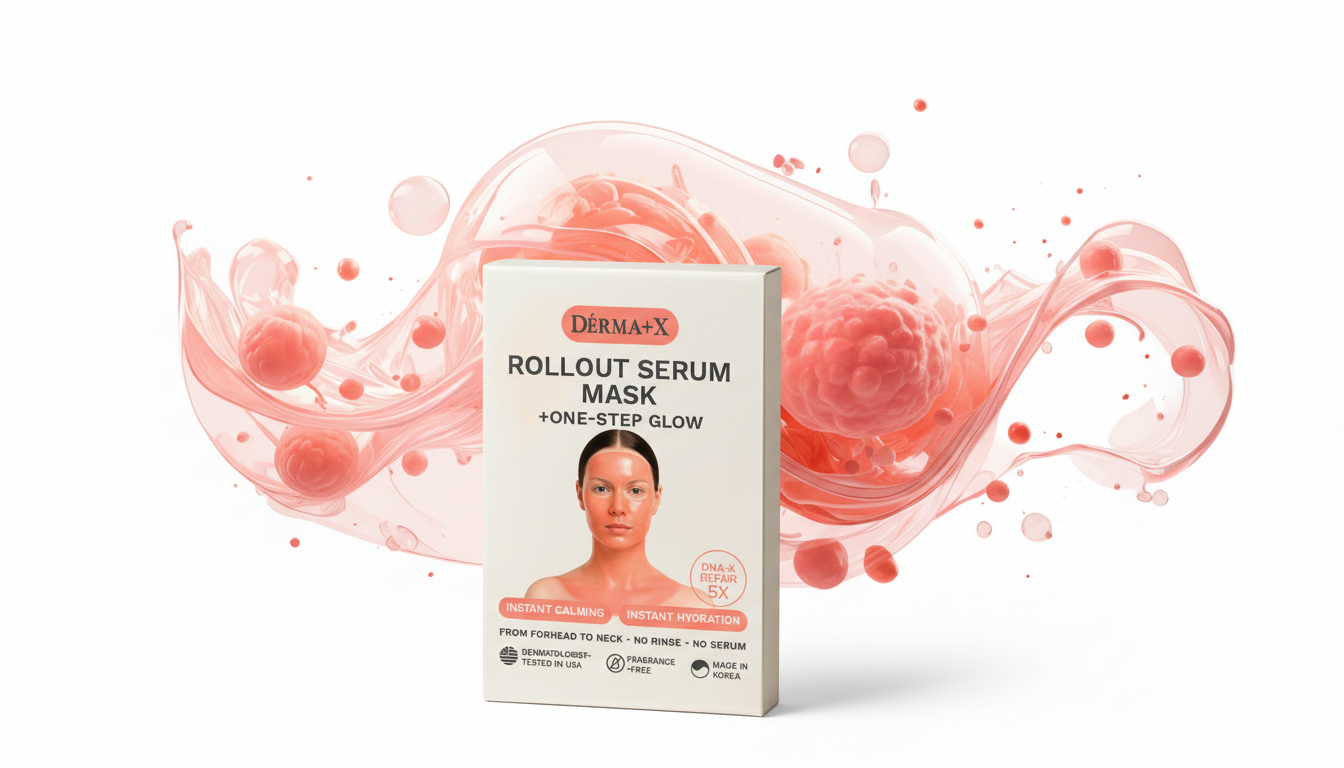
Material Breakdown
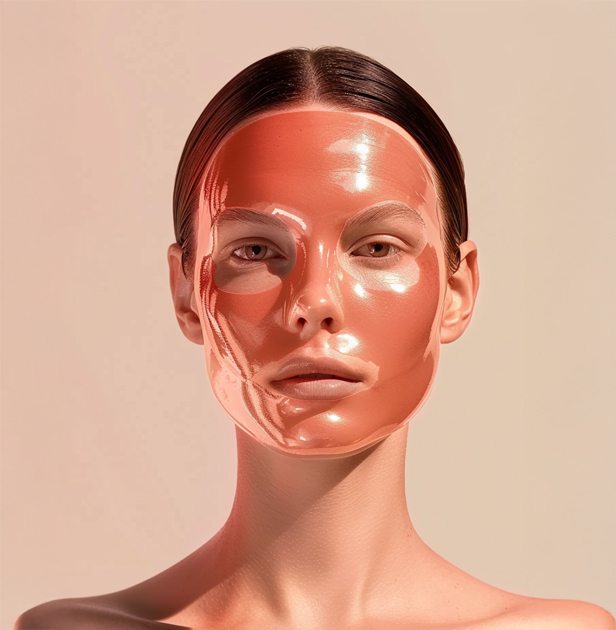
Material validated through surface realism
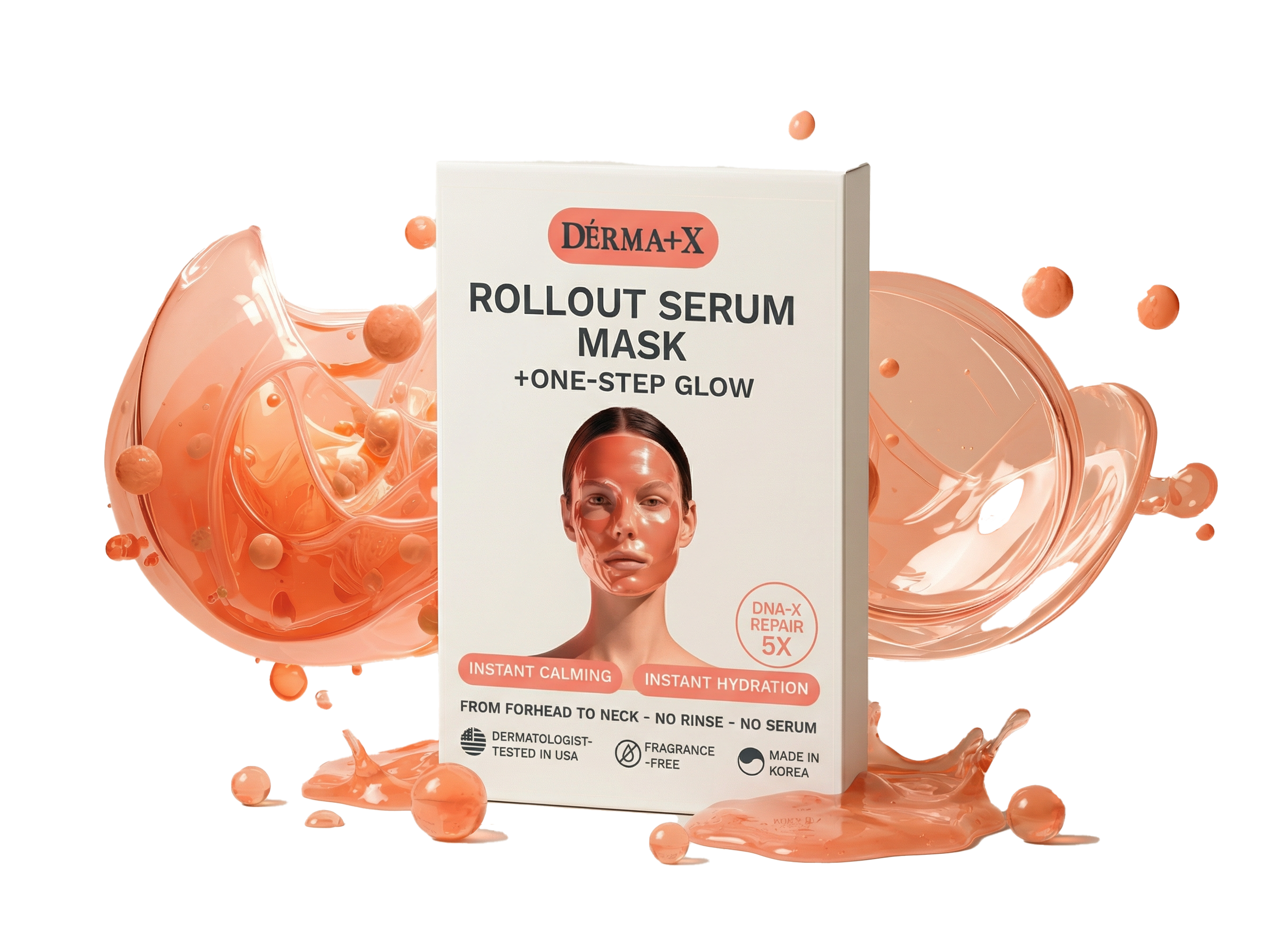
Calibrated salmon translucency with controlled hydrogel gloss.
Balanced thickness and light refraction communicate clinical credibility while preserving skin visibility beneath the mask.
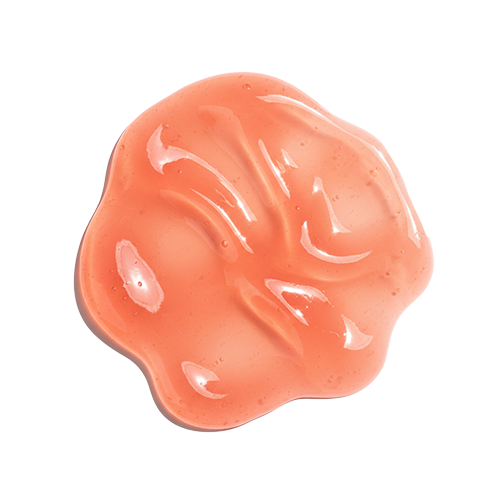
High-Pigment Hydrogel Matrix
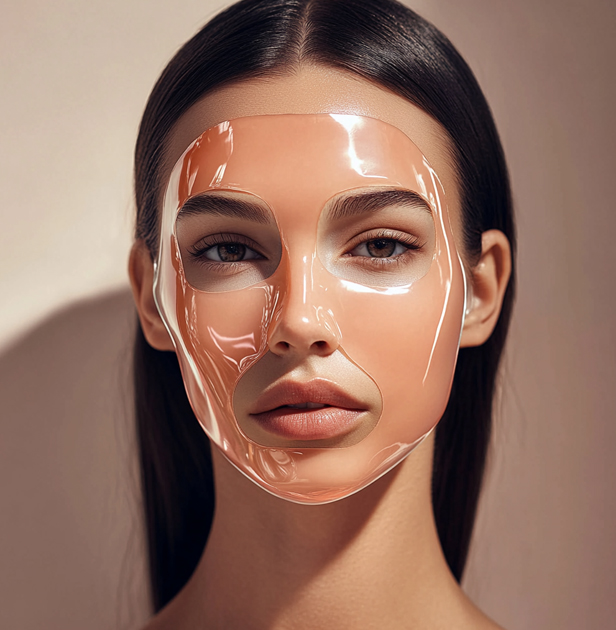
Increased translucency and adhesion detail
Higher membrane clarity and edge precision enhance realism.
Surface reflections were tuned to emphasize elasticity without drifting into cosmetic shine.
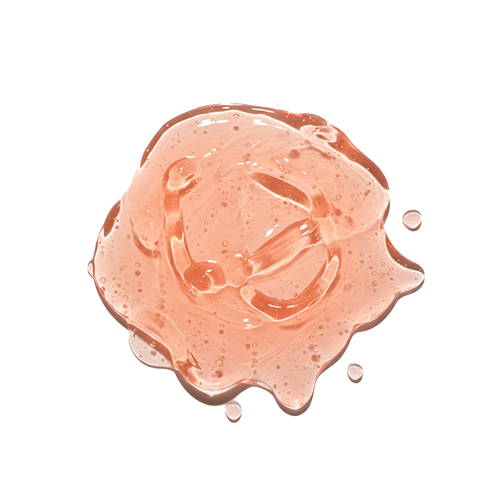
Balanced Translucent Serum Matrix
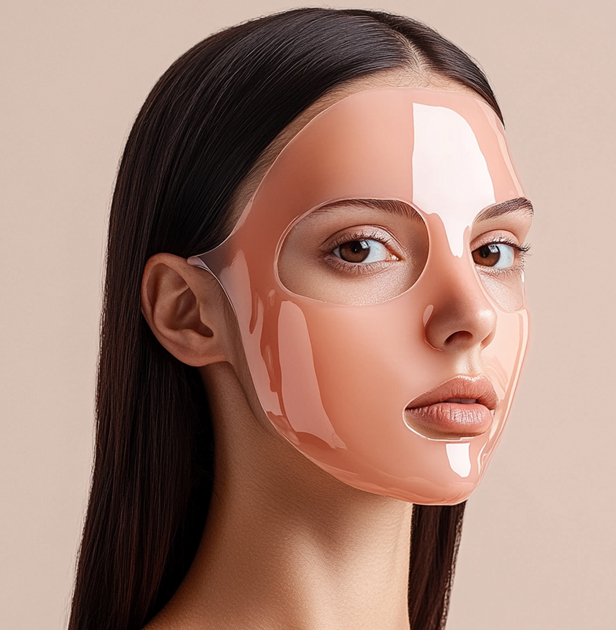
Contrast-driven material study
Explored stronger highlight zones and segmented translucency.
Useful for understanding gloss behaviour, but visually less unified for a premium biotech presentation.
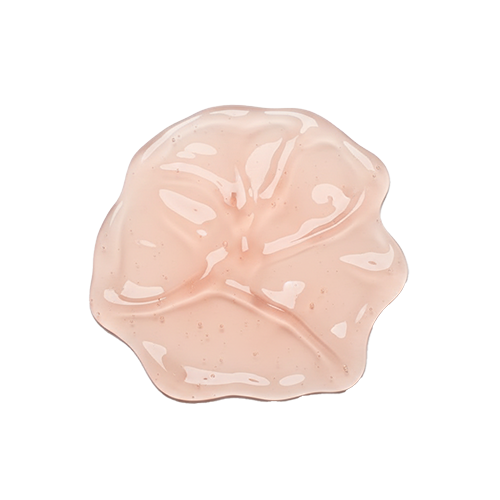
Low-Pigment Bio-Adaptive Gel Base
Website description
Project Foundation
DÉRMA+X was developed entirely from first principles. Every visual, material study, and photographic simulation was created from scratch, beginning with hand sketches and evolving through controlled digital prototyping.
The objective was not to decorate packaging but to engineer a believable skin-facing material system. This required defining pigment density, translucency levels, gloss calibration, and membrane behaviour before any final asset was produced.
All textures, hydrogel simulations, lighting scenarios, and model applications were constructed internally to ensure consistency between material reality and brand expression. Nothing was sourced from stock or preset libraries.
Realisation
The process moved from sketch exploration to material abstraction, then to hyper-realistic render studies. Each phase tested how the mask would behave under light, on skin, and within a packaging context.
Material behavior, user perception, and manufacturing constraints were considered simultaneously. The final visual direction was selected not only for aesthetics, but for its accurate representation of hydrogel thickness, reflective index, and serum saturation.
The result is a cohesive system: packaging, material, and photography aligned around a single engineered narrative rather than isolated design elements.